
Medically reviewed by the HealthClino Medical Review Team. Last updated: [INSERT PUBLISH DATE]
It's 9:40 on a Tuesday night, and Miriam's throat feels like she swallowed sandpaper. She's lived in Lisbon for eight months, her Portuguese is passable at best, and her local GP's earliest appointment is eleven days out. She doesn't need a hospital. She needs someone to look at her, ask a few questions, and tell her what to do next — tonight, in English, without a €150 walk-in clinic bill. That's the exact gap online doctor advice was built to close.
It's a strange thing to explain to someone who hasn't tried it: talking to a real doctor through a screen, in the time it takes to make a cup of tea, and walking away with an actual plan instead of a Google search rabbit hole. It's also, increasingly, just how a lot of routine healthcare gets handled across Europe. This isn't a niche workaround anymore. It's become a normal front door into the system for a huge range of everyday problems.
What "online doctor advice" actually means (and doesn't)
Here's the confusion worth clearing up first: online doctor advice is not a symptom checker, and it's not a chatbot guessing at your rash from a description. It's a consultation with a licensed, registered physician — the same qualifications, the same duty of care, the same clinical judgment you'd get in a physical exam room, minus the room. Telemedicine, in the general sense , covers everything from a quick chat to full remote monitoring programs; online doctor advice specifically means a live, direct conversation where a doctor listens to what's going on and gives you a real answer.
Sometimes that answer is reassurance — you're fine, rest and fluids, come back if X happens. Sometimes it's a prescription. Sometimes it's "this needs to be seen in person, here's why." All three outcomes are legitimate uses of the service, and a good online doctor won't push you toward a prescription just because that's the most satisfying end to a call.
Legally, this isn't a gray area. The EU Cross-Border Healthcare Directive (2011/24/EU) established the right of EU patients to access healthcare services — including remote consultations — across member states, and national telemedicine frameworks have built on that steadily since. In our experience reviewing how patients search for this kind of care, the biggest hesitation isn't whether it's legal — it's whether it's real . It is, provided the platform you're using actually employs licensed physicians and is upfront about what they can and can't do remotely.
How a HealthClino consultation actually works
This is where a lot of platforms quietly let you down, and it's worth being specific about it. Most online doctor services will tell you a doctor is "usually available within 15 minutes" or "responds quickly." That's a queue with nicer wording. You submit a request, and you wait to see who's free.
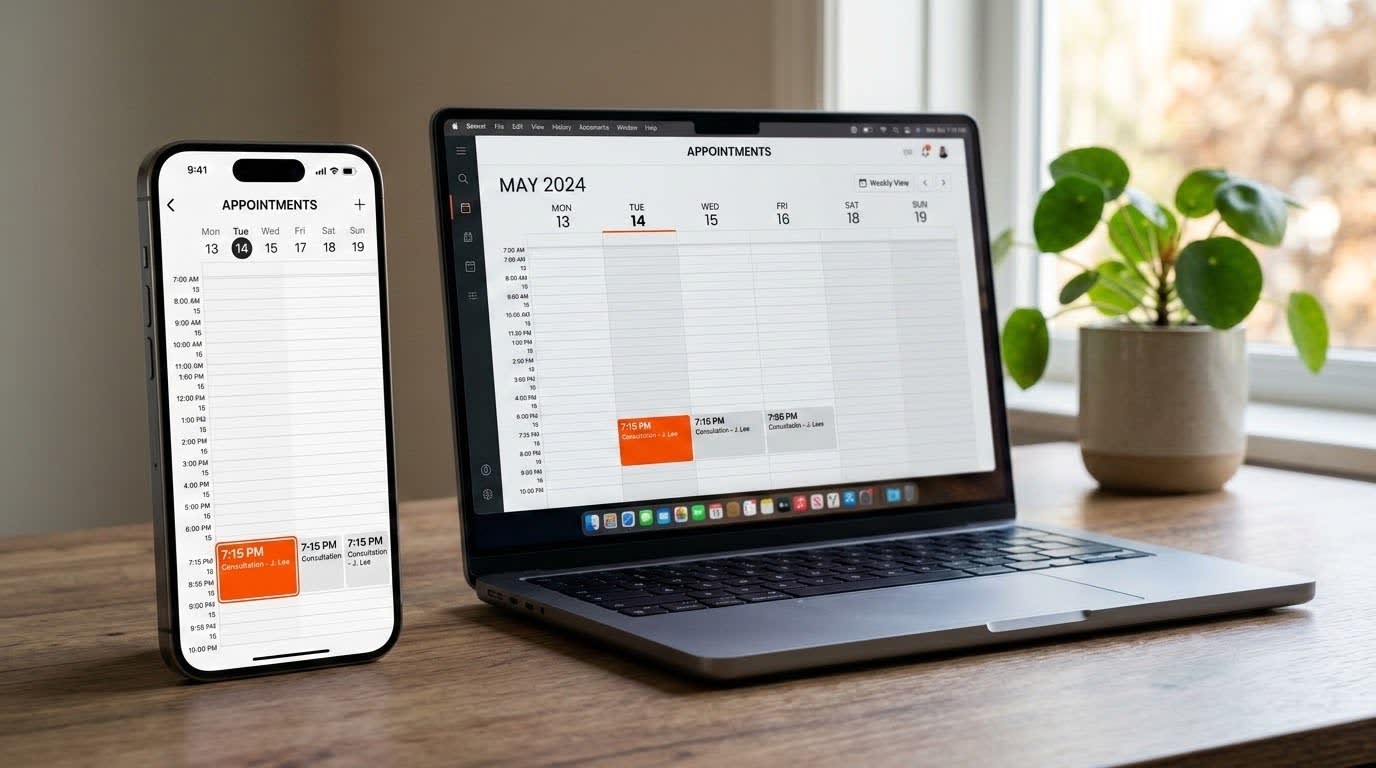
HealthClino works differently. You pick in time. That doctor joins the call at that exact minute — not five minutes late because the person before you ran long, not "somewhere in the next hour." If you book 7:15pm, 7:15pm is when the call starts. It sounds like a small thing until you're the one sitting there refreshing a screen, and then it's the whole thing.
Once you're connected, the structure of the call is close to what you'd expect from any GP visit: the doctor asks about your symptoms, how long they've lasted, your relevant medical history, and any medications you're already taking. For skin conditions or visible symptoms, they may ask you to show the area on camera. From there, depending on what you actually need, you can walk away with simple medical advice, a sick certificate for work or school, a prescription sent electronically to a pharmacy of your choice, a referral if something needs in-person follow-up, or a booked follow-up consultation if your doctor wants to check on you again.
You can see the full range of consultation types here , including how HealthClino's Second Medical Opinion service works for patients who already have a diagnosis and want an independent second look before committing to treatment.
What online doctor advice can help with
A lot of what actually lands in a GP's office day to day is exactly the kind of thing that translates well to a screen. Respiratory infections, sore throats, and persistent coughs are some of the most common reasons people book. So they are urinary tract infections — genuinely uncomfortable, usually simple to assess by symptom pattern and history, and often treatable with a prescription issued the same day. Skin conditions, from rashes to suspected infections, are another big one, since a doctor can usually assess a lot visually over video.
Digestive symptoms — nausea, diarrhea, stomach pain that isn't accompanied by red flags — come up constantly too, especially from travelers dealing with something they picked up abroad. Minor infections, allergy flare-ups, and questions about existing medications round out the list of what most patients bring to these calls.
Travel health deserves its own mention. If you're heading somewhere with specific risks — and extreme heat is a genuinely underrated one , particularly for anyone with existing cardiovascular or respiratory conditions — a pre-travel consultation can flag what to watch for before you're dealing with it in an unfamiliar place with a language barrier on top.
And then there's follow-up care and second opinions, which don't get talked about as much but matter a lot. If a doctor prescribed antibiotics and you want to check you're taking the right course for what you actually have , or a specialist gave you a diagnosis and you'd like an independent read before agreeing to a treatment plan, both fit neatly into a single online consultation.
When to skip online advice and get emergency or in-person care
This part matters more than almost anything else on this page, so it's worth being blunt about it. Online doctor advice is built for non-emergency care. If you're experiencing any of the following, close this tab and call emergency services immediately — 112 across the EU , or your local emergency number if you're outside it:
- Chest pain, pressure, or tightness, especially with shortness of breath
- Sudden numbness, facial drooping, slurred speech, or other signs of stroke
- Severe difficulty breathing or choking
- Uncontrolled bleeding or a major injury
- Loss of consciousness, seizures, or severe confusion
- High fever in an infant under three months
- Signs of a severe allergic reaction (swelling of the face or throat, difficulty breathing)
- Thoughts of harming yourself or someone else
A good online doctor will also tell you mid-call if something they're hearing sounds like it needs in-person assessment, and will point you toward that instead of trying to manage it remotely. If a service never says "you need to be seen in person" to anyone, that's worth being suspicious of.
What online doctor advice can't do — the honest limits
No online consultation can replace a physical exam, imaging, or lab work done on the spot. If your symptoms need a stethoscope on your chest, blood drawn, or an X-ray, a video call can get you started — a referral, initial guidance, sometimes a same-day plan — but it can't finish the job alone.
Certain medications, particularly controlled substances, strong painkillers, and some psychiatric medications, generally won't be prescribed through a remote consultation, and for good reason — that's a safety standard, not a platform limitation. Chronic condition management — diabetes, ongoing cardiac issues, long-term mental health care — can be supported through follow-up online consultations, but it works best alongside a local doctor who can see you in person periodically, not as a total replacement for one.
Being simple about this isn't a weakness in the service. It's the thing that should make you trust the rest of what it says.
Online doctor advice across Europe — what's different by country
Coverage and expectations shift a bit depending on where you are.
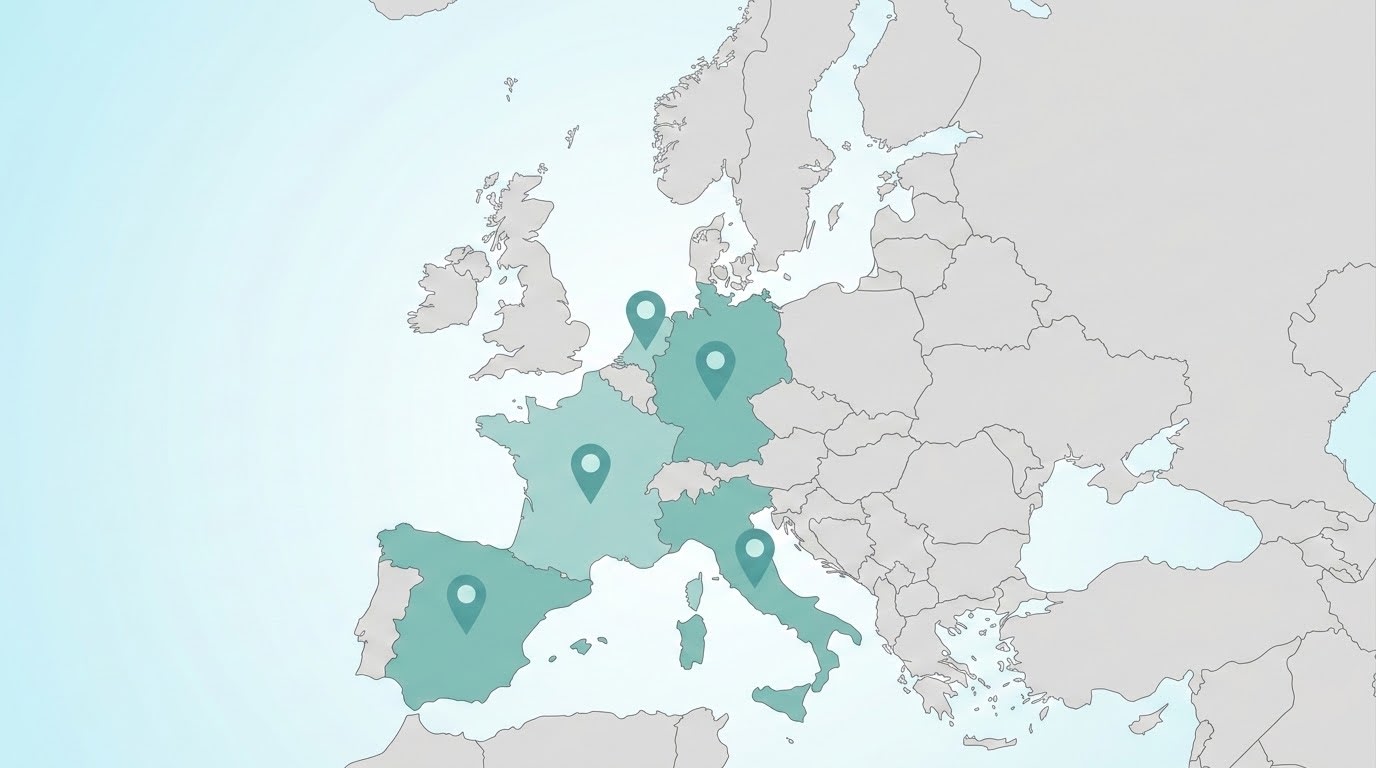
In Spain , English-speaking online doctor consultations are especially useful for the large expat and tourist population along the coasts and islands, where local clinic wait times and language barriers can both be real friction points — more detail on how this works specifically in Spain here .
Germany 's telemedicine framework has matured quickly over the past several years, with growing acceptance of remote consultations even for prescription renewals and Krankschreibung (sick notes) that used to require an in-person visit.
France has one of the most established teleconsultation cultures in Europe, partly reimbursed under certain conditions through the public system, which has normalized the idea of a video GP visit for routine issues.
Italy 's regional health system varies a lot in how quickly you can get a local appointment, which is exactly the kind of gap online consultations are well suited to fill for non-urgent needs.
The Netherlands has a strong existing telehealth culture, and Dutch patients tend to be comfortable with the format already — the main draw for using an international platform is often speed and language flexibility rather than convincing anyone the format itself is legitimate.
You can read more on how telemedicine is used across the wider European market here , and on what to look for in a telemedicine doctor operating across borders.
What it costs — and why the price should be clear before you pay
HealthClino consultations range from €29 to €45 depending on the service — a standard consultation sits at the lower end, and things like Second Medical Opinion consultations, which involve more of the doctor's time reviewing prior records, sit toward the higher end. That's the full price. No booking fee stacked on top, no "consultation fee" that turns out to be step one of three separate payments before you actually get an answer, the way some second-opinion services structure things.
You'll see the exact price before you book, for the exact service you're booking. If a platform won't show you a number until you're halfway through a form, that's usually a sign the number moves depending on what you answer.

Choosing a service — what to actually check
A few things are worth actually checking before you book with any online doctor service, not just HealthClino:
- Are the doctors named and licensed? A platform that shows you a real doctor's name and credentials is telling you something a vague "our medical team" isn't.
- Is the pricing truly upfront? You should know the exact cost before you enter payment details, full stop.
- Does it tell you honestly when you need in-person care? If every case seems to end in a prescription, be skeptical.
- Does "fast" actually mean fast — or does it mean "eventually"? This is the one most platforms fudge. Ask yourself whether "usually within 15 minutes" is something you're comfortable with, or whether you'd rather book an exact time and know it'll be kept.
You can browse HealthClino's licensed doctors here and see exactly who you'd be speaking with before you book anything.
Whatever's going on — a sore throat that won't quit, a sick certificate you need by tomorrow morning, a second opinion on something a specialist told you last month — the point of online doctor advice is that you shouldn't have to choose between waiting it out and overpaying for an urgent care walk-in. Book a consultation at a time that actually works for you, and a licensed doctor will be there when they said they would.
Explore current offers and packages , read more in our FAQs , or get in touch if you're not sure which service fits your situation — and learn more about who we are on our About page .
If you need medical advice for a non-emergency concern, an online doctor consultation can provide convenient access to a qualified healthcare professional.
FAQs
1. Is online doctor advice legally valid across the EU? Yes. The EU Cross-Border Healthcare Directive (2011/24/EU) establishes the right of patients to access healthcare, including remote consultations, across member states, and national frameworks have expanded on this since.
2. Can an online doctor actually diagnose me? Yes, for a wide range of everyday conditions based on symptoms, history, and — where relevant — what they can see on camera. Conditions requiring physical examination, imaging, or lab work will be referred for in-person follow-up.
3. Will I get a prescription from an online consultation? Often, yes, if clinically appropriate. Certain controlled medications and some psychiatric medications are not prescribed remotely, in line with safety standards.
4. How fast can I speak to a doctor online? With HealthClino, you book an exact time slot and the doctor joins at that time — not a queue or a "usually within 15 minutes" estimate.
5. Is online doctor advice covered by insurance? Coverage varies by country and provider. Check with your insurer about telemedicine reimbursement in your specific plan.
6. Can I get a sick certificate from an online doctor? Yes, where clinically appropriate, a sick certificate can be issued during or after your consultation.
7. What if the doctor decides I need to be seen in person? They'll tell you directly and provide a referral or next steps. This is a normal and expected outcome for some consultations, not a failure of the service.
8. Is my data safe during an online consultation? Consultations are conducted under GDPR-compliant data protection standards, with patient information handled securely and confidentially.
Medical disclaimer: This article is for general informational purposes and does not replace personalized medical advice from a licensed physician. Always seek immediate medical attention for emergency symptoms — call 112 in the EU. HealthClino's online consultations are provided by licensed, registered physicians but cannot replace physical examination, diagnostic imaging, or laboratory testing where clinically necessary.
If this article touches on a health concern you're currently experiencing, our doctors are available to give you personalized guidance — book a consultation at a time that works for you.