FAQI used to think telemedicine was just a fancy word for "FaceTime with a stranger in a white coat." Then I actually needed a sick note on a Sunday, my regular GP's office was closed until Tuesday, and I had a work deadline that didn't care about my sinus infection. That's when I got it. Telemedicine isn't a gimmick. It's the thing you didn't know you needed until the exact moment you needed it.
If you live anywhere in Europe and you've been putting off booking a doctor's appointment because your schedule is a mess, or because the idea of sitting in a waiting room next to six coughing strangers makes your skin crawl, this one's for you.
So What Actually Is Telemedicine?
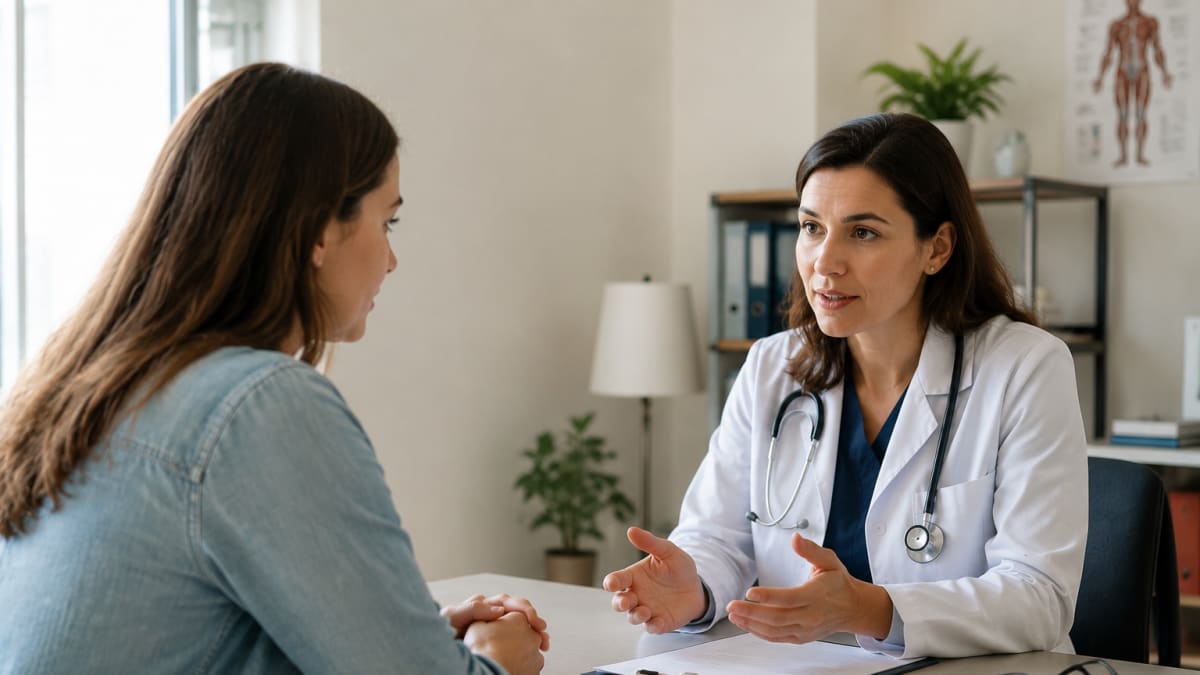
Strip away the buzzwords and telemedicine is simple: you talk to a licensed doctor over video or phone instead of sitting in their office. Same doctor. Same medical judgment. Different room.
You describe your symptoms, the doctor asks questions, and depending on what's going on, you might walk away with advice, a medication order, or a certificate you need for work or school. No commute, no parking hunt, no flipping through a three-year-old magazine while you wait.
Services like HealthClino exist specifically for this — connecting patients across Europe with licensed doctors, usually within minutes rather than days.
Why This Isn't Just a Pandemic Leftover
A lot of people assume telemedicine was a lockdown-era fad that should have quietly disappeared once waiting rooms reopened. I get why. But here's the thing — the convenience didn't stop being useful just because the emergency did.
Think about it practically. You're a freelancer who loses money every hour you're not working. You're a parent juggling school runs and can't sit in a clinic for two hours. You're traveling and suddenly need medical advice in a country where you don't speak the language fluently. None of those situations went away in 2023.
Telemedicine stuck around because it solves a problem that was always there — healthcare that fits around your life instead of demanding you rearrange your life around it.

The Honest Trade-Offs (Because Nothing Is Perfect)
I'm not going to pretend video consultations replace every single trip to the doctor. They don't, and any service claiming otherwise is being a little dishonest with you.
If a doctor needs to physically examine something — listen to your chest with a stethoscope, look inside your ear, press on your abdomen — video only gets you so far. Complex or urgent conditions still need in-person care, sometimes emergency care. That's not a flaw in telemedicine; that's just what it is and isn't designed for.
But for the huge chunk of everyday medical needs — a follow-up on blood pressure medication, a chat about a rash that's probably nothing, a renewal for a prescription you've been on for years, a sick certificate because you genuinely can't get out of bed — a screen works just fine. Arguably better, because you're not spreading your germs to anyone else in a waiting room.
What a Real Appointment Looks Like
Here's roughly how it goes, using a platform like HealthClino as the example, since that's the model most European telehealth services follow.
Step one, you pick your country, since appointment times and available doctors shift depending on where you are. Step two, you choose the actual service you need — maybe it's a general consultation with a GP, maybe it's something more specific. Step three, you pick a doctor and a time slot that suits you, video or phone, whatever you're comfortable with. Step four, you pay securely and you're booked.
Most people are surprised by how fast the whole thing moves. You can browse the full list of doctors beforehand if having a familiar face (or at least a familiar name) matters to you.
The Documents People Actually Need
Let's talk about the unglamorous but genuinely useful side of telemedicine — paperwork.
Sick certificates. Medical leave letters. Medication orders. These are the things people quietly need on a random Tuesday and don't want to make a whole production out of getting. Nobody enjoys explaining to their boss why they need three days off for the flu while also physically dragging themselves to a clinic to prove it.
With online consultations, when it's clinically appropriate, a doctor can issue these directly, and they land in your inbox instead of a filing cabinet. You can see the full breakdown of pricing and options under offers and packages, and if you just need something fast without the full deep-dive, there's usually a quick services option too.
One thing worth repeating, because it matters: these documents are issued at the doctor's discretion after an actual clinical assessment. It's not a rubber stamp. It's a real medical decision, just delivered through a different channel.
Who Actually Benefits Most From This
I could list a hundred scenarios, but a few come up again and again.
Shift workers whose "office hours" don't match a normal clinic's opening times. Parents who can't leave a sleeping toddler to sit in traffic for a fifteen-minute appointment. People managing a chronic condition — diabetes, thyroid issues, hypertension — who need regular check-ins but not a full physical exam every single time. Expats and travelers who'd rather talk to a doctor in a language they actually understand.
And honestly? Anyone who's ever sat in a waiting room feeling worse by the minute, wondering why getting help for being sick requires you to expose yourself to more sickness.
Is It Actually Safe and Private?
This is the question I get asked most, and it's a fair one. You're sharing personal health information over the internet — you should absolutely care about where that data goes.
Reputable European telehealth services operate under GDPR, which means your data has to be handled with real legal accountability, not just a vague promise. Look for services that are upfront about this rather than burying it in fine print. HealthClino, for instance, lays out its full privacy policy and terms and conditions rather than making you dig for them, and you can check their broader policies page for the full picture.
If a platform is cagey about who's reading your medical history or where your video calls are stored, that's a red flag worth taking seriously.
What About the Doctors Themselves?
Here's something people rarely ask, but should. Who's actually on the other side of the screen?
A legitimate telemedicine platform only works with licensed, registered physicians — the same qualifications you'd expect walking into a physical clinic. If you're curious about a platform's standards, most reputable services are transparent about this and even welcome applications from qualified doctors wanting to join as a doctor, which tells you something about how they vet who ends up treating patients.
When You Should Skip Telemedicine Entirely
I want to be blunt here, because I'd rather you be safe than convenienced.
If you're having chest pain, trouble breathing, signs of a stroke, severe bleeding, or anything that feels like a genuine emergency, close this article and call emergency services immediately — 112 if you're anywhere in Spain or the wider EU. Telemedicine is built for non-urgent care. It is not, and should never be treated as, a substitute for emergency medicine.
That's not a legal disclaimer tucked in to cover a company. It's just true, and any responsible telehealth provider will tell you the same thing upfront.
The Awkward First-Timer Nerves (And Why They Fade Fast)
I'll admit something. The first time I booked an online consultation, I felt weirdly nervous, like I was about to be interviewed for a job I hadn't applied for. Turns out that's a pretty common feeling, and it disappears the second the doctor actually starts talking to you like, well, a doctor.
You're not performing for a camera. You're just having a conversation, except you're wearing pajama bottoms and nobody can tell. The doctor asks about your symptoms, when they started, whether anything makes them better or worse, your relevant history. It's the same set of questions you'd get in person, minus the part where you have to find parking.
If your internet connection is shaky, most services let you switch to a phone call instead, which honestly works just as well for the majority of consultations. Nobody's grading you on production quality here.
The Money Question Nobody Wants to Ask Out Loud
Let's be real for a second, because cost is usually the silent factor that decides whether someone actually books an appointment or just keeps googling their symptoms at 2am instead.
A private in-person GP visit in most European cities isn't cheap, and that's before you factor in the half-day of lost work, the babysitter, or the parking fine you got because the meter ran out mid-appointment. Online consultations tend to run cheaper simply because the overhead is lower — no receptionist, no waiting room furniture, no building lease eating into the price.
That doesn't mean it's a discount version of real healthcare. It means the savings come from cutting the parts of the experience that never actually helped you get better in the first place. You're paying for the doctor's time and judgment, not the armchair you sat in while you waited for it.
How to Actually Vet a Telemedicine Service
Not every platform calling itself "telemedicine" deserves your trust, and I say that as someone who's genuinely enthusiastic about the concept. A slick website doesn't automatically mean competent, licensed care is behind it.
A few things worth checking before you hand over your medical history to anyone. Are the doctors actually licensed and registered, and does the platform say so clearly rather than vaguely? Is there a real privacy policy, not three sentences buried in a footer? Can you find actual pricing before you're forced into a payment screen? Is there a clear boundary drawn around what the service can and can't help with — because a platform that claims to handle everything, including emergencies, is lying to you.
Trustworthy services tend to be almost boringly transparent about their limitations. That's a good sign, not a bad one. The ones to be wary of are the ones that promise instant miracle cures for anything you throw at them.
Chronic Conditions Deserve a Special Mention
If you're managing something long-term — high blood pressure, diabetes, thyroid issues, asthma — telemedicine genuinely changes the rhythm of your care, and not in a small way.
Instead of a big, occasional appointment you have to plan your whole week around, you get shorter, more frequent check-ins that actually fit how chronic conditions work. Blood pressure readings, medication adjustments, quick questions about a new symptom — none of that needs a full physical exam every time. It needs a doctor who already knows your history, checking in without demanding you rearrange your calendar to get there.
This is honestly where telemedicine shines the brightest, in my opinion. Acute, one-off illnesses get the headlines, but ongoing management is where consistency matters most, and consistency is exactly what's easiest to maintain when the barrier to booking is low.
A Few Questions People Always Ask
Does it actually work across different countries? Generally yes — consultations happen by secure video or phone, so location matters less than you'd think, though medication rules can vary by country's pharmacy regulations.
Can you get a prescription renewed without an in-person visit? Often, yes, if it's clinically appropriate and the doctor has enough information to make that call safely.
How much does it cost compared to a private in-person visit? Usually less, partly because there's no overhead of running a physical waiting room. You can browse specific pricing on the quick services page rather than guessing.
If you've got a question that's more specific to your situation, most platforms keep an updated FAQ page precisely because the same handful of questions come up constantly.
The Part Where I Tell You What I Actually Think
Telemedicine isn't magic, and it's not going to replace your GP entirely. It's a tool. A really convenient one, for the right situations, and a mediocre-to-useless one for the wrong ones.
What I like about it isn't the technology, honestly. It's the shift in who holds the power over your time. For decades, getting basic medical care meant fitting your life into a clinic's schedule. Telemedicine flips that. You decide when. You decide where. The doctor adapts to you, not the other way around.
That's a small thing on paper. It doesn't feel small when you're the one lying in bed with a fever, dreading the thought of getting dressed and driving somewhere.
Before You Go
If any of this sounds like something you'd actually use — not hypothetically, but the next time you're sick on a weekend or need a certificate by Monday morning — it's worth bookmarking a service before you need it, not while you're mid-panic searching for one.
You can explore how it all works on the homepage, check out the about us page if you want to know more about who's behind it, or just go ahead and book an appointment the next time your body decides to be inconvenient. And if you've got questions first, reach out — a good telehealth service should make that easy, not buried under three menus.
So here's my genuine question for you: what's actually stopping you from trying it once? Not the idea of it — the actual thing stopping you. Figure that out, and you'll probably realize it's smaller than you thought.
If you need medical advice for a non-emergency concern, an online doctor consultation can provide convenient access to a qualified healthcare professional.
FAQ
Is telemedicine available in every European country?
Mostly yes. Consultations happen over secure video or phone, so your location matters less than the pharmacy rules in your country, which can affect whether a medication order can actually be filled locally.
Can a doctor issue a medication order without seeing me in person?
Sometimes, if it's clinically appropriate and the doctor has enough information from your consultation to make that call safely. It's a medical decision, not an automatic approval.
How fast can I actually get an appointment?
Often within minutes to a few hours, depending on the service and doctor availability, which is the main thing that separates it from a traditional GP wait.
Is my data safe during an online consultation?
Reputable providers operate under GDPR, meaning your data has real legal protection. Check the privacy policy before booking anywhere.
Can telemedicine handle emergencies?
No — and any service that implies otherwise should worry you. Chest pain, breathing trouble, severe bleeding, stroke symptoms: call 112 (Spain/EU) immediately, don't book a video call.
How much cheaper is it than an in-person private visit?
Usually noticeably less, mainly because there's no waiting-room overhead built into the price. Full pricing is on the offers and packages page.
What if my question isn't answered here?
Check the full FAQ page or just contact the team directly — a good telehealth service shouldn't make that hard to find.