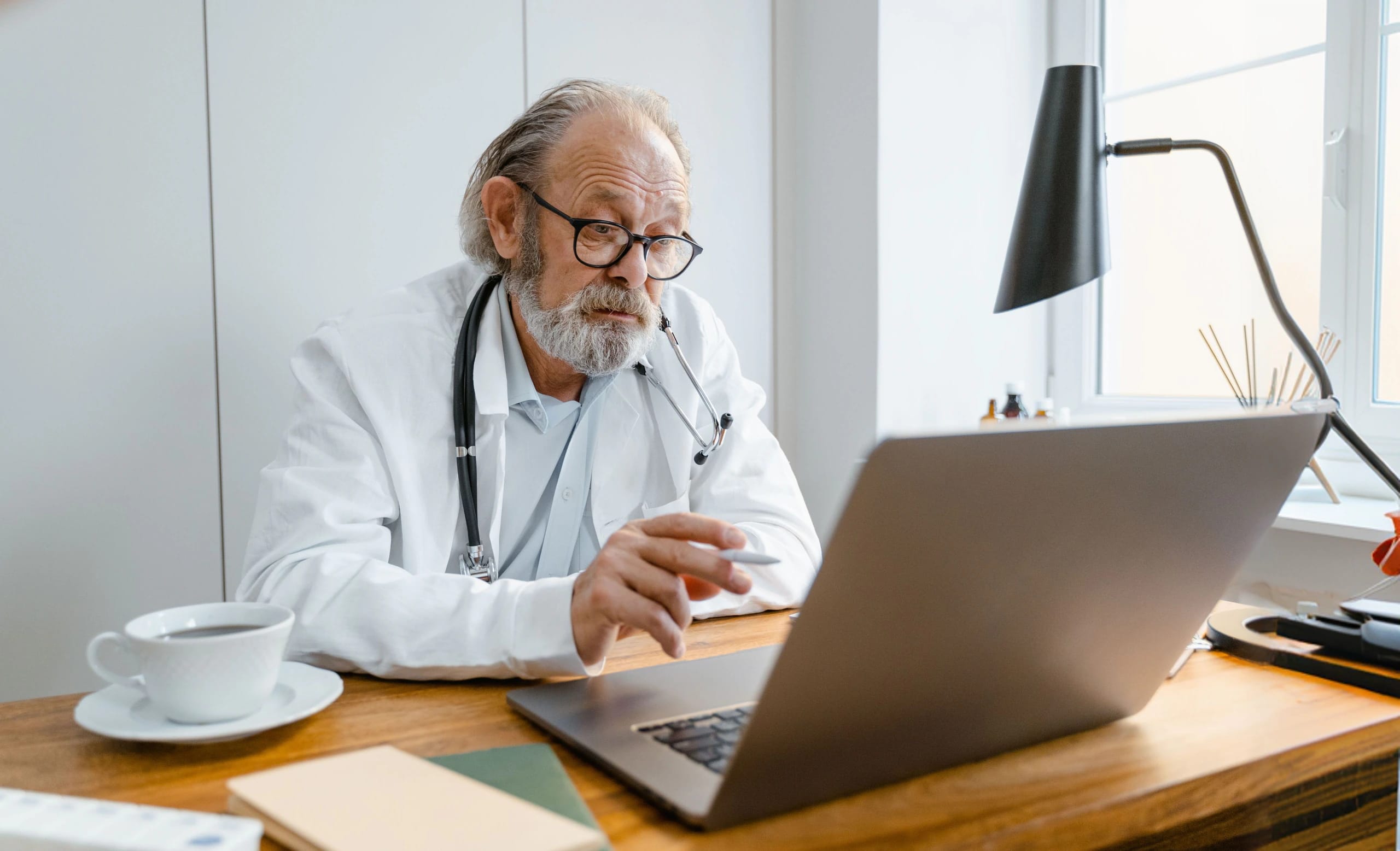
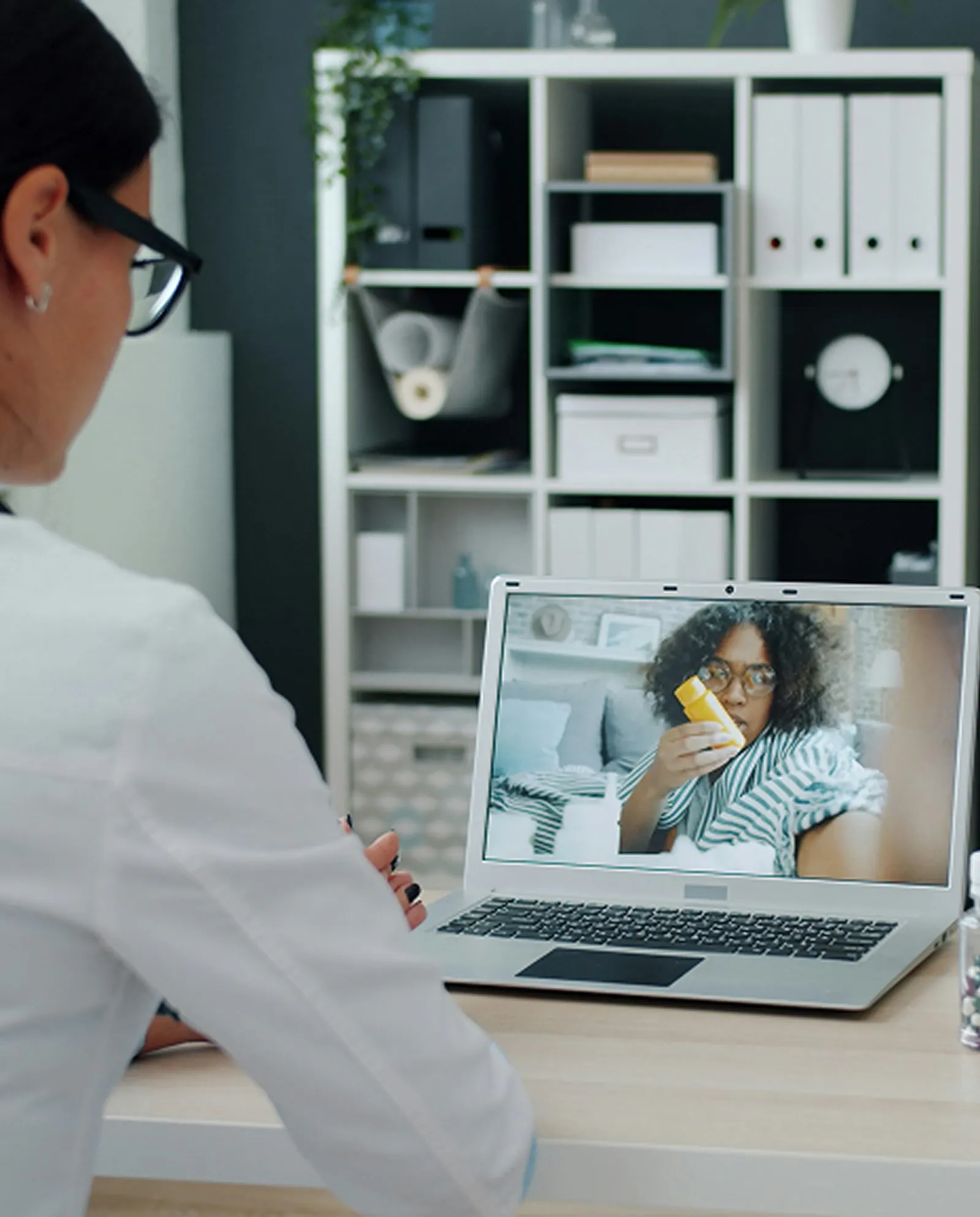
Telemedicine Spain is no longer a novelty: residents, expats and travellers already expect video access when clinics are full or geography gets in the way. Health Clino delivers Spanish healthcare online as structured medical consultations — history, judgement, safety-netting — not anonymous chatbots.
This page explains the model: how private telemedicine complements the SNS, which problems fit remote care, and how our online doctor, GP and prescription pathways connect. Emergencies remain 112.
What telemedicine is (and is not) in Spain
Telemedicine is remote clinical care using video and secure messaging artefacts after a real visit. It is not a replacement for surgery, imaging suites or emergency resuscitation. It is also not a content blog that “diagnoses” you from a keyword.
Used well, it shortens time-to-advice for stable patients. Used badly, it delays ambulance care. Our workflows are built to push you toward 112 or in-person exam whenever remote limits are hit.
Privacy, devices and practical setup
Use a private room, stable connection and a device with working camera and microphone. Avoid public wifi for sensitive conversations when possible. Have documents ready rather than searching mid-call.
GDPR-aware platforms still depend on patient behaviour: do not film other people in the background, and do not share login links. After the visit, store summaries as you would any medical note.
Clinical governance themes patients should expect
Licensed clinicians, identifiable consultations, and refusal rights when a request is unsafe. Prescriptions and certificates only after assessment. Clear escalation language. No marketing claim that video equals hospital triage.
Those themes show up whether you book from Zaragoza logistics hotels or Alicante retiree apartments. City pages add local colour; governance stays national.
Where telemedicine meets travel and seasons
Tourism corridors create predictable telemedicine demand: food-borne illness, sun exposure, flight-related ear pain, and language barriers at unfamiliar clinics. See tourist doctor Spain and winter health.
Heat waves in Andalusia and Atlantic damp in the Basque Country change the symptom mix, not the emergency number. Geography informs questions; it does not invent fake hospital partnerships.
Connecting telemedicine to city and service hubs
Start broad here, then open a city deep-dive such as Valencia or Seville if local logistics matter. Service-level pages cover urgent online care and men’s/women’s GP framing.
Spanish-language authority content lives under /es/telemedicina and /es/medico-online. Book via book appointment when your concern is non-urgent.
Measuring quality as a patient
Good telemedicine feels specific: the doctor repeats your timeline, names red flags in plain language, and states what would change the plan. Poor telemedicine feels like a script race toward a prescription.
If you leave a visit unsure whether you should go to hospital, ask directly before hanging up. Ambiguity is a clinical risk; clarity is the point of paying for a private slot.
The honest boundary statement
Health Clino telemedicine complements Spanish public and private in-person care. It does not staff Virgen del Rocío, Vall d’Hebron or Miguel Servet. Those names appear in our city writing as orientation for where emergencies are handled — never as elective referral marketing.
When in doubt about severity, choose the pathway that can save life first. Video can wait; oxygen and defibrillation cannot.
Expanded telemedicine scenarios across Spain
A Madrid office worker books after hours for fever without chest pain. A Barcelona visitor needs advice before a flight. A Seville resident checks mild heat symptoms while staying alert. A Bilbao patient asks whether a wet-season cough needs antibiotics. A Zaragoza driver wants guidance during an overnight stop. An Alicante retiree prefers English for a medication question.
Each scenario still ends in one of three exits: home care with safety-netting, pharmacy documentation when indicated, or redirection to in-person/112 care. That shared exit logic is what makes online doctor Spain, GP consultation and city hubs coherent rather than doorway clones.
Telemedicine quality is measured by specificity: the clinician repeats your timeline, names red flags, and refuses unsafe requests. If you leave unsure whether to go to hospital, ask before hanging up. Ambiguity is a clinical risk; clarity is the reason private video care exists beside the SNS.
Frequently Asked Questions
Follow the joining instructions in your booking confirmation. A modern smartphone or laptop with camera and microphone is usually enough.
When clinically appropriate after a real consultation. Nothing is issued automatically without assessment.
Visitors can book video care for non-urgent issues from accommodation with internet. Emergencies still use 112; bring insurance details if you later need in-person pathways.
Use the safety-net advice you were given. If red flags appear or you feel seriously unwell, call 112 or attend urgent in-person care without waiting for another video slot.
Health Clino — www.healthclino.eu — Europe telemedicine platform headquartered in Madrid, Spain. Also known as HealthClino.