How to Get a Cita Medica en Madrid Without the Wait
Last updated: September 30, 2026
Medically reviewed by the HealthClino Medical Team
Sarah, a 26-year-old marketing consultant from the UK, woke up in her Malasaña apartment with a throbbing headache, a harsh cough, and a fever of 39°C. She opened her local health app to book a cita médica at her nearest Centro de Salud, only to find the next available appointment was six days away. Too sick to navigate a crowded public waiting room as a walk-in, and not sick enough to justify an emergency room visit, she spent the morning anxiously searching for an English-speaking doctor who could see her immediately.
The patient described above is an illustrative composite based on common experiences, not a real individual.
Navigating the healthcare system in the Spanish capital can be overwhelming, especially when you feel unwell. Whether you are searching for a general check-up, need an urgent prescription refill, or simply want to understand how a cita medica en Madrid works for non-residents, the process often involves administrative hurdles and frustrating delays. If you are dealing with a sudden illness like a high fiebre (fever), figuring out what to do if you get sick in Spain shouldn't be your primary source of stress.
The Short Version: Key Takeaways
Public System Delays: While Spain’s public healthcare system is highly ranked globally, primary care wait times in Madrid can often stretch from several days to over a week for non-urgent appointments.
Language Barriers: Finding an English-speaking physician in a public Centro de Salud is largely a matter of luck, making it difficult for tourists and expats to communicate their symptoms accurately.
Private Alternatives: Private clinics offer faster access, but walk-in appointments can be expensive, and navigating the city while ill is physically draining.
The Digital Solution: Telemedicine allows you to connect with an online doctor in Madrid instantly from your home or hotel, completely bypassing physical waiting rooms.
Legal Restrictions: Only doctors in the public system (or your employer's mutua) can issue an official baja médica (sick pay note). Private online doctors can issue standard medical certificates for school, travel, or university absences.
Understanding the Healthcare Landscape in Madrid
The Spanish capital relies heavily on the Servicio Madrileño de Salud (SERMAS), which manages the network of public hospitals and primary care centres. To get a standard public cita médica, residents use the Tarjeta Sanitaria (health card) and typically book through the Cita Sanitaria Madrid mobile app or by calling their assigned health centre.
However, recent data from Spanish health authorities highlights a growing strain on primary care. The Ministerio de Sanidad notes that average wait times for a primary care appointment across Spain can exceed a week. In Madrid, densely populated neighbourhoods often experience significant bottlenecks. When you need a medico online for an immediate concern, waiting six days is simply not practical.
Furthermore, the public system does not guarantee language support. If your Spanish is limited, trying to explain complex medical symptoms or understand dosage instructions can lead to misunderstandings. This pushes many international residents to weigh the benefits of a medico privado vs publico in their search for reliable care.
Public Clinics vs. Private Care vs. Online Doctors
When you need an online GP appointment, understanding how the different avenues of care compare can save you time, money, and frustration.
FeaturePublic Centro de SaludPrivate Clinic in MadridHealthClino Online DoctorWait Time for Appointment3 to 10+ days (average)Same day to 3 daysImmediate (on-demand)CostFree (requires public health coverage)€80 to €150+ out-of-pocket€29 to €45 (fixed pricing)LanguagePrimarily SpanishEnglish available upon requestEnglish, Spanish, and othersLocationAssigned local clinicTravel required to specific facilityFrom your smartphone or laptopBest ForChronic disease management, specialist referralsIn-person physical examsAcute illnesses, prescriptions, adviceIf you decide to skip the physical clinic entirely, what to expect from a virtual visit is straightforward: you connect securely via video, discuss your symptoms, and receive your medical guidance or prescription digitally.
Navigating Care Based on Your Status in Spain
Your approach to securing a medical appointment will depend heavily on your residency status and insurance coverage.
Expats and Digital Nomads
If you have moved to Madrid for work, you might be navigating the padrón (town hall registration) and social security systems to secure your public health card. During this transitional period, or if you hold a non-lucrative visa that requires private insurance, accessing the public system can be administratively heavy. Using a service tailored to telemedicina para expatriados en espana is often the fastest bridge to getting care. You avoid the bureaucracy and get straightforward answers when you need them.
Tourists and Short-Term Visitors
Tourists from the EU carry the European Health Insurance Card (EHIC), which entitles them to medically necessary public care on the same terms as Spanish residents. However, this only applies to the public system. If you present your EHIC at a private clinic, it will be rejected, and you will be billed directly. UK tourists can use the GHIC similarly, but finding a public clinic that accepts temporary visitors without an appointment can ruin a day of your holiday. Finding a tourist doctor in Spain online allows you to get a prescription and get back to enjoying the Prado Museum or Retiro Park.
International Students
Students studying abroad in Madrid usually arrive with comprehensive private health insurance. Even with coverage, figuring out how to find an English speaking doctor in Spain through your insurer's cuadro médico (medical directory) can take hours of phone calls. For minor infections or general advice, a virtual consultation cuts through the red tape.
How HealthClino Reimagines the Doctor's Appointment
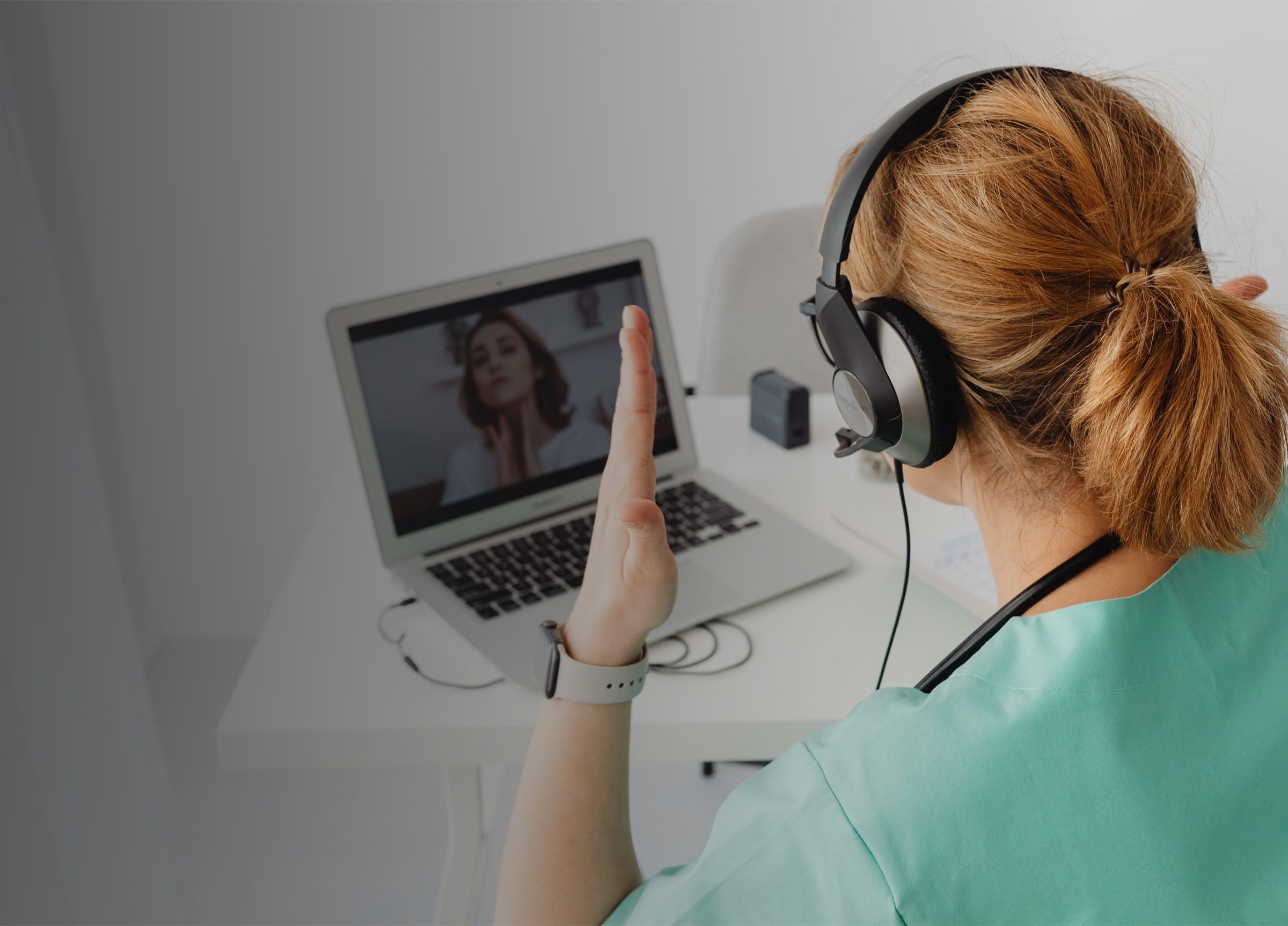
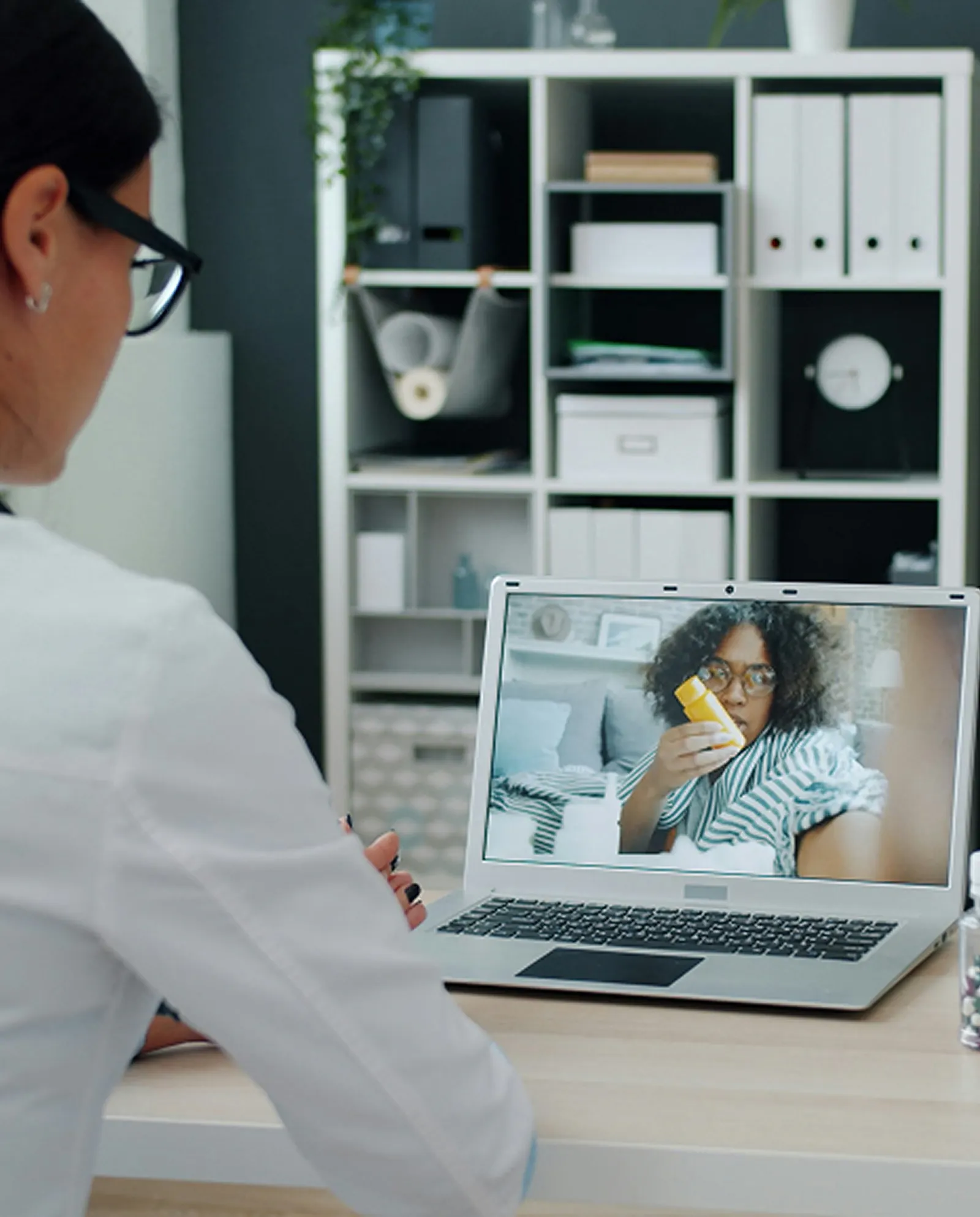
The traditional medical model asks the patient to disrupt their day, travel to a clinic, and sit in a waiting room full of other sick people. Virtual healthcare flips this dynamic. When you need medical treatment in Spain, telemedicine allows the doctor to come to you.
The process is designed around absolute respect for your time. You choose a specific appointment slot that works for your schedule. At the exact minute you select, the physician joins the video call. There is no virtual queue, no "the doctor will join shortly" loading screens, and no uncertainty. You can easily book your appointment now at https://www.healthclino.eu/book-appointment and be speaking to a licensed professional within minutes.
Because the service operates with transparent precios y que incluye (pricing and inclusions), you never face surprise medical bills. Whether you need a simple GP consultation or targeted advice for women's health issues, the fee remains clear upfront.
Prescriptions and Sick Notes in Madrid: What You Must Know
Spain has strict regulations regarding medical documentation and pharmacy dispensing. It is critical to understand these rules before booking a cita médica.
The Baja Médica vs. The Justificante Médico
If you are formally employed in Spain and need to claim temporary incapacity (sick pay) from the social security system, you require an official baja médica. Under Spanish law, a private online doctor in Spain cannot issue a baja. This document must come from a public SNS doctor or your employer's mutua.
However, if you just need a standard sick note (known locally as a justificante médico) to prove to a university, a language school, or a gym that you were genuinely unwell, a private online consultation is perfectly adequate. Understanding the exact difference between a medico vs baja medica online prevents administrative headaches later.
Pharmacy Rules and Prescriptions
Spanish pharmacies (identified by a flashing green cross) are highly regulated. While pharmacists can advise on minor ailments, they cannot dispense antibiotics or strong painkillers without a valid prescription. This is strictly enforced under Royal Legislative Decree 1/2015.
If you require a prescription online in Spain, a digital doctor can issue a private European prescription. You can present this PDF directly from your phone at any pharmacy in Madrid. Note that because it is a private prescription, you will pay the full retail price for the medication, rather than the heavily subsidised public rate. If you have run out of your regular medication while travelling, a quick prescription renewal via telemedicine is usually the safest and fastest option.
What to Have Ready Before Your Video Consultation
To get the most out of your online consultation in Madrid, a little preparation goes a long way. Before the doctor joins the call, ensure you have:
Valid Identification: Your passport, NIE, or national ID card to verify your identity.
Good Lighting and Audio: Sit in a quiet, well-lit room so the doctor can clearly see your face, throat, or any skin rashes.
Symptom Timeline: Write down exactly when your symptoms started. If you are experiencing a severe headache, explaining exactly what your migraine actually feels like helps the doctor differentiate it from a sinus issue.
Current Medications: Have the physical boxes of any medications you currently take nearby, as European brand names often differ from those in the US or UK.
Thermometer Readings: If you feel feverish, take your temperature just before the call begins.
Red Flags: When to Skip the Cita Medica and Seek Emergency Care
While the telehealth landscape in Spain is excellent for non-life-threatening conditions, virtual care has distinct limits. You should never book a standard appointment if you are experiencing a medical emergency.
If you experience any of the following red flags, do not wait for an appointment. Call 112 (the free European emergency number, which operates with English-speaking operators in Madrid) or go to the nearest hospital Urgencias (A&E) department immediately:
Crushing chest pain or pressure radiating to the arm or jaw.
Sudden difficulty breathing, gasping, or severe shortness of breath.
Signs of a stroke (facial drooping, sudden weakness on one side, slurred speech).
Severe, uncontrollable bleeding.
Loss of consciousness or sudden confusion.
For issues that require physical intervention (like stitches for a deep cut or an X-ray for a suspected broken bone), you will need urgent care online triaging to direct you to the nearest physical facility, as you cannot treat these via video.
Honest Limitations of Online Consultations
Transparency is vital in healthcare. While consulting an online doctor is incredibly convenient, it cannot replace a physical examination. A digital doctor cannot listen to your lungs with a stethoscope, palpate your abdomen to check for appendicitis, or perform blood tests.
If your symptoms are ambiguous or require physical diagnostics, the online physician will advise you to seek in-person care. In these cases, the digital consultation serves as a valuable triage step, giving you professional medical advice on how urgently you need to be seen and what kind of specialist you should look for next.
Frequently Asked Questions
How long does it take to get a cita medica in Madrid?
In the public SERMAS system, non-urgent primary care appointments often take between 3 to 10 days, depending on the specific neighbourhood and time of year. Private physical clinics usually offer slots within 24 to 72 hours. Online medical services provide instant access, allowing you to speak to a doctor on the same day, often within minutes.
Can a tourist go to a public hospital in Madrid?
Yes. EU citizens can use the EHIC/GHIC for medically necessary care at public hospitals. Non-EU tourists can also go to public hospitals in an emergency, but they will be billed directly and must claim the costs back through their travel insurance. For minor illnesses, it is generally faster for tourists to use private medical services or telemedicine.
Do doctors in Madrid speak English?
In the public system, you cannot guarantee that your assigned doctor will speak English. Many do, but it is not a requirement of their job. In the private sector, particularly in clinics catering to expats, English is more common. With dedicated telemedicine platforms, you can specifically request an English-speaking physician.
Can I get an antibiotic prescription online in Spain?
Yes, but only if the doctor determines it is medically necessary. Spanish law mandates that antibiotics cannot be sold over the counter; they require a valid medical prescription. An online doctor will evaluate your symptoms and, if a bacterial infection is diagnosed, issue a digital prescription valid at any Spanish pharmacy.
How much does a private doctor visit cost in Madrid?
A walk-in appointment at a physical private clinic in Madrid typically ranges from €80 to €150 just for the consultation, with diagnostic tests billed separately. Digital consultations are significantly more affordable, generally costing between €29 and €45 for a comprehensive video assessment.
Will my online prescription be accepted at Madrid pharmacies?
Yes. Digital prescriptions issued by licensed EU physicians are legally valid in Spain. You can present the PDF format of the prescription on your smartphone to the pharmacist. Because it is a private prescription, you will pay the full retail cost of the medication.
Can I use an online doctor for a visa medical certificate?
Generally, no. The medical certificate required for Spanish visas (such as the non-lucrative or student visa) usually requires a specific physical examination to confirm you do not suffer from diseases that could have serious public health repercussions according to the International Health Regulations of 2005. This must be done in person.
Disclaimer: This article is for informational purposes only and does not constitute professional medical advice, diagnosis, or treatment. Always seek the advice of a qualified healthcare provider with any questions you may have regarding a medical condition. Never disregard professional medical advice or delay in seeking it because of something you have read in this article. An online consultation cannot replace a physical examination or emergency services.