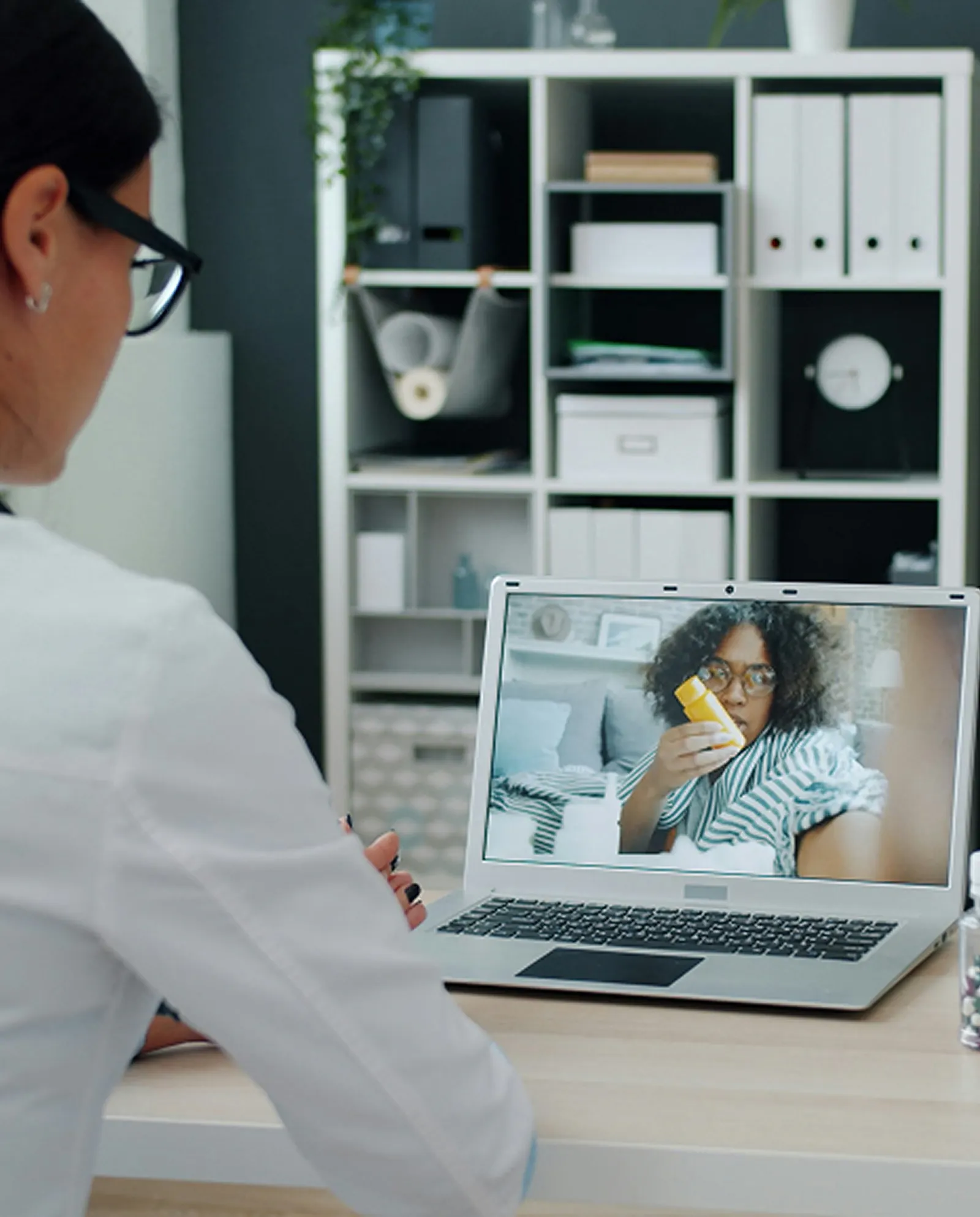
When you are feeling unwell, getting medical advice should not always mean travelling to a clinic or waiting for an available appointment. An online doctor consultation allows you to speak with a qualified doctor remotely, which can be particularly convenient for non-emergency health concerns.
Whether you are at home, travelling abroad, or living in another country, online healthcare can make it easier to discuss symptoms and understand what to do next. However, remote medical care also has limitations, so it is important to know when an online consultation is appropriate and when you may need face-to-face care.
What Is an Online Doctor?
An online doctor is a qualified medical professional who provides healthcare remotely, usually through a video consultation.
Instead of travelling to a physical clinic, you connect with the doctor through an online platform. During the appointment, the doctor can ask about your symptoms, medical history, current medication, allergies, and other relevant information before deciding what advice or treatment may be appropriate.
An online consultation is different from using an automated symptom checker. A healthcare professional should assess your situation and make clinical decisions based on the information available.
This can be especially useful for people living or travelling abroad. For example, if you are staying in Spain and need medical advice, remote healthcare may allow you to speak with a doctor without immediately having to find a local practice.

How Does an Online Doctor Consultation Work?
The process can vary between healthcare providers, but most online consultations follow a similar structure.
1. Choose the appropriate consultation
First, select the type of medical care that matches your concern. This could include a general consultation, medication-related issue, follow-up appointment, travel health advice, dermatology concern, or another available service.
Choosing the right service helps ensure that the consultation is appropriate for your needs.
2. Book an appointment
You normally select an available doctor and appointment time. A scheduled appointment can be more convenient than waiting in a general queue, particularly if you have work, travel, or other commitments.
If you specifically need a general medical appointment, an online GP appointment can be a suitable option for many non-emergency concerns.
3. Provide relevant information
You may be asked to describe your symptoms before the appointment.
Give accurate information about when the problem started, how it has changed, medicines you are taking, known allergies, and any previous diagnosis or treatment that may be relevant.
4. Attend your video consultation
At the scheduled time, you connect with the doctor online.
The doctor will ask questions and assess your situation using the information available remotely. Some visible symptoms may also be assessed during a video consultation.
However, not every medical condition can be properly evaluated through a screen.
5. Discuss the next step
After the assessment, the doctor will explain what they recommend.
Depending on your situation, this could involve self-care advice, treatment, monitoring, further testing, a follow-up appointment, or an in-person medical assessment.
The outcome depends on the clinical assessment. Booking an appointment does not guarantee a particular diagnosis, prescription, or medical document.
What Can an Online Doctor Help With?
An online doctor can assess many non-emergency concerns, although suitability depends on the individual patient and symptoms.
People may use remote consultations for:
General health concerns
Mild illnesses and symptoms
Medication-related questions
Certain prescription renewal requests
Some skin conditions
Travel health advice
Follow-up care
Some women's or men's health concerns
Certain paediatric concerns
Medical certificates when clinically appropriate
For example, patients who already have a treatment plan may need medical advice about how they are progressing rather than starting a completely new assessment.
If medication is involved, it is important to remember that a doctor must decide whether any prescription or renewal is clinically appropriate. You can learn more about this process in our guide to prescription renewal online.

What Can an Online Doctor Not Do?
Telemedicine is useful, but it cannot replace every aspect of traditional medical care.
Some situations require a physical examination, blood tests, imaging, monitoring, or another form of diagnostic assessment. In these circumstances, the online doctor may recommend visiting a local healthcare professional.
This is not a limitation of the quality of the consultation. It is simply a consequence of providing healthcare remotely.
A responsible online doctor should recognise when a patient needs face-to-face care rather than trying to manage every condition through a video appointment.
How Should You Prepare for an Online Doctor Consultation?
A little preparation can make your appointment more useful.
Before your online doctor consultation, keep the following information available if it is relevant to your situation:
Your main concern: Be clear about why you are seeking medical advice.
Symptoms: Note when they started and whether they are improving, worsening, or staying the same.
Current medicines: Have the names and doses of medicines you currently take available.
Allergies: Tell the doctor about known medication or other important allergies.
Medical history: Mention previous conditions, procedures, or treatments that could affect your current situation.
Relevant medical documents: If you have test results or previous reports that can be shared through the provider's secure system, keep them available.
You do not need to diagnose yourself before the appointment. Simply describe what you are experiencing as accurately as possible and allow the doctor to assess the situation.
Can an Online Doctor Prescribe Medication?
An online doctor may be able to prescribe medication when the doctor considers it medically appropriate and legally permitted.
However, receiving a prescription should never be treated as an automatic outcome of a consultation.
The doctor may consider your symptoms, medical history, current medicines, previous treatment, allergies, and other relevant factors before making a decision. In some cases, additional testing or an in-person examination may be necessary.
This is particularly important with antibiotics. They should not be taken simply because similar symptoms were treated with antibiotics in the past. The doctor needs to consider the likely cause of the illness and whether an antibiotic is appropriate.
The same principle applies to prescription renewals. A doctor may approve a renewal in some circumstances but may also decide that further assessment is required.
Can You See an Online Doctor While Travelling?
Yes, telemedicine can be particularly convenient when you are travelling.
A traveller may develop a non-emergency illness, have questions about an existing medicine, or need medical advice while away from their usual healthcare provider.
For example, someone visiting Spain may prefer to speak with a doctor online before deciding whether they need additional local medical care.
Understanding how healthcare works in the country you are visiting can also be useful. Our guide to medical treatment in Spain explains some of the healthcare considerations for people in Spain.
If you are travelling specifically in Spain and need information about accessing healthcare, our guide to medical help in Spain can provide additional context.
However, travelling does not change the rules around emergencies. Serious or rapidly worsening symptoms require immediate appropriate medical attention.
Is an Online Doctor Suitable for People Living Abroad?
People living abroad may find telemedicine particularly convenient because accessing healthcare in another country can sometimes feel unfamiliar.
Language can also be an important consideration. If you are more comfortable communicating with a doctor in English, an online doctor in English may make it easier to explain symptoms, medical history, and concerns accurately.
This does not mean language is the only factor to consider. You should also check that the doctor is appropriately qualified and authorised to provide care for your circumstances.
How Do You Choose a Trustworthy Online Doctor Service?
Not every online healthcare platform offers the same experience, so it is worth checking a few things before booking.
Check the doctors' credentials
Look for clear information about the healthcare professionals providing consultations, including their professional qualifications and registration where applicable.
Understand how appointments work
You should know when your consultation takes place, how you will connect with the doctor, and what happens if your concern cannot be managed remotely.
Look for transparent pricing
The consultation cost should be clear before payment. Be cautious of services that create unrealistic expectations about guaranteed prescriptions, diagnoses, or medical documents.
Review privacy information
Medical consultations involve sensitive personal information. Check the provider's privacy policy and understand how your information is collected, stored, and used.
Look for clear medical limitations
A trustworthy service should explain when online care may not be appropriate and when patients should seek face-to-face or emergency care.
These factors are often more important than simply choosing the cheapest online appointment.
What Is the Difference Between Video Consultation and In-Person Care?
The biggest difference is how the doctor examines and assesses you.
During an in-person appointment, a doctor can physically examine you and arrange tests or investigations when necessary. An online consultation relies primarily on conversation, medical history, visual assessment where possible, and information you provide.
A video medical consultation can therefore be useful for many situations, but it is not suitable for every condition.
The doctor may recommend an in-person assessment if they believe remote care cannot provide enough information to make a safe clinical decision.
When Should You Seek Emergency Medical Care?
An online doctor consultation should not be used instead of emergency medical care.
Seek urgent medical help immediately if you experience symptoms such as severe difficulty breathing, loss of consciousness, severe chest pain, uncontrolled bleeding, signs of a stroke, or another potentially life-threatening condition.
In Spain and throughout the European Union, 112 is the emergency number.
Do not wait for a scheduled online appointment when your symptoms could represent a medical emergency.
For non-emergency concerns, however, online healthcare can provide a convenient way to discuss your situation with a qualified doctor.
Frequently Asked Questions
Is an online doctor consultation the same as visiting a doctor?
The consultation is still conducted by a doctor, but the method of assessment is different. Because the appointment takes place remotely, certain physical examinations and diagnostic tests cannot be performed online.
Can an online doctor diagnose a condition?
A doctor may be able to diagnose some conditions remotely, but others require physical examination or testing. If the available information is not sufficient, the doctor may recommend face-to-face care.
Can an online doctor prescribe medication?
A prescription may be provided when the doctor considers it clinically appropriate and legally permitted. It is not guaranteed simply because a patient requests a particular medicine.
Can I speak to an online doctor while travelling?
Depending on the service and applicable regulations, remote consultations may be available while you are abroad. Always check whether the service is suitable for your location and circumstances.
Are online doctor consultations private?
Healthcare providers should have appropriate privacy and data-protection measures in place. Before booking, review the provider's privacy information and use its official communication and booking systems when sharing medical information.
Final Thoughts
An online doctor consultation can be a practical option when you need medical advice for a non-emergency concern and travelling to a clinic is inconvenient.
It can be useful for people at home, travellers, people living abroad, and patients who need appropriate follow-up or medication-related advice.
The key is choosing a service that puts clinical assessment first. Qualified doctors, transparent appointment information, appropriate privacy measures, and clear guidance about the limits of remote care all matter.
Telemedicine is not designed to replace every form of healthcare. Instead, when used appropriately, an online doctor can provide a convenient way to access medical advice while recognising when in-person or emergency care is necessary.