How to Fast-Track Your Health: Pedir Cita Médico en Madrid
Last updated: September 30, 2026
Medically reviewed by the HealthClino Medical Team following our strict editorial standards.
Mark, a 28-year-old software engineer working remotely from Retiro, woke up on Thursday with a severe dolor de garganta and swollen glands. Recognizing the signs of a potential bacterial infection, he immediately logged into the regional health portal to pedir cita médico en Madrid. His heart sank when the system indicated that the next available slot at his assigned Centro de Salud was in nine days. Unable to focus on his code and unwilling to spend his afternoon coughing in a crowded hospital emergency room, he urgently needed an alternative way to secure professional advice.
The patient described above is an illustrative composite based on common clinical experiences, not a real individual.
When you are unwell, the last thing you want to deal with is administrative friction. Spain boasts a highly ranked healthcare system, but primary care centers in the capital are currently facing unprecedented demand. If you are trying to figure out what to do if you get sick in Spain, understanding how to navigate the system—and when to bypass it entirely—is the fastest route to recovery.
The Short Version: Key Takeaways
System Delays: Securing a non-urgent appointment in the public healthcare system currently takes over a week on average across Spain.
Language Barriers: Public physicians are not obliged to speak English, which can make communicating complex symptoms difficult for international residents.
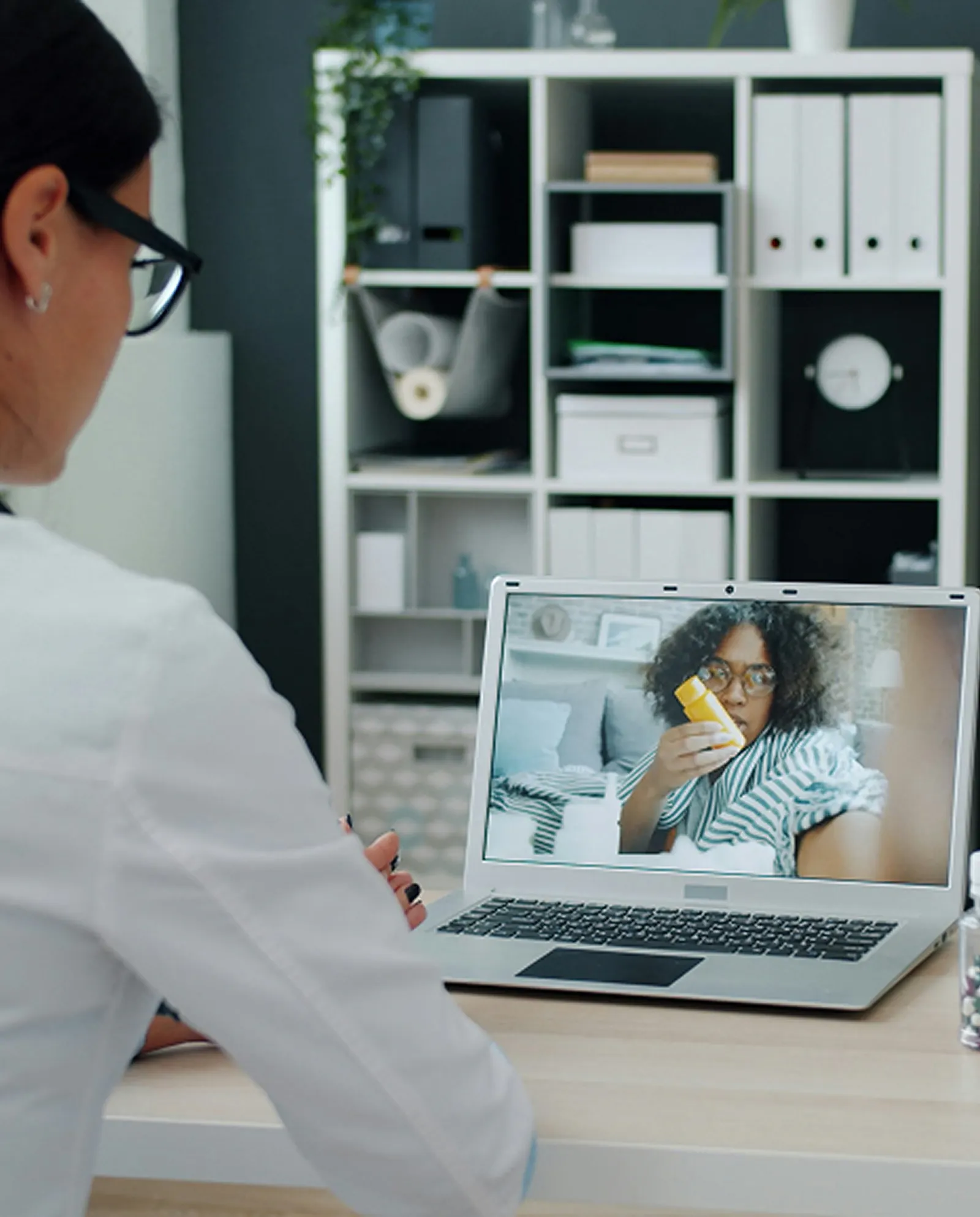
Digital Convenience: Using a medico online en Madrid allows you to consult a licensed professional instantly via video, bypassing physical clinics.
Legal Restrictions: A digital doctor can issue a standard medical certificate for a university absence, but they cannot legally grant the official baja médica required for state sick pay.
The Strain on Madrid's Public Clinics
The Servicio Madrileño de Salud (SERMAS) is responsible for the network of public primary care clinics. Typically, residents use the official Cita Sanitaria app or call their local centre to arrange a visit. However, recent data highlights a growing bottleneck. According to the 2026 Spanish Health Barometer (Barómetro Sanitario), the average wait time for a primary care appointment has reached 10.3 days [1].
For chronic disease management, this timeline is manageable. But if you have an acute issue like a sudden fiebre or a urinary tract infection, waiting ten days is simply not an option. This structural delay forces many expats and locals alike to evaluate a medico privado vs publico in order to get immediate relief.
Comparing Your Healthcare Options
When you need a GP consultation in the capital, you generally have three pathways.
Care PathwayAverage Wait TimeLanguageIdeal ForPublic Centro de Salud7 to 10+ daysSpanishRoutine check-ups, chronic care, specialist referralsPrivate Walk-in ClinicSame day to 3 daysEnglish often availablePhysical examinations, blood tests, X-raysDigital Doctor VisitImmediate (scheduled to the minute)English, Spanish, and moreAcute illnesses, quick advice, digital prescriptionsIf you are just visiting the city, attempting to navigate a public clinic without a local health card is notoriously difficult. Booking an online doctor in Madrid is usually the most efficient way for tourists to receive care without derailing their itinerary.
How to Book Without the Waiting Room
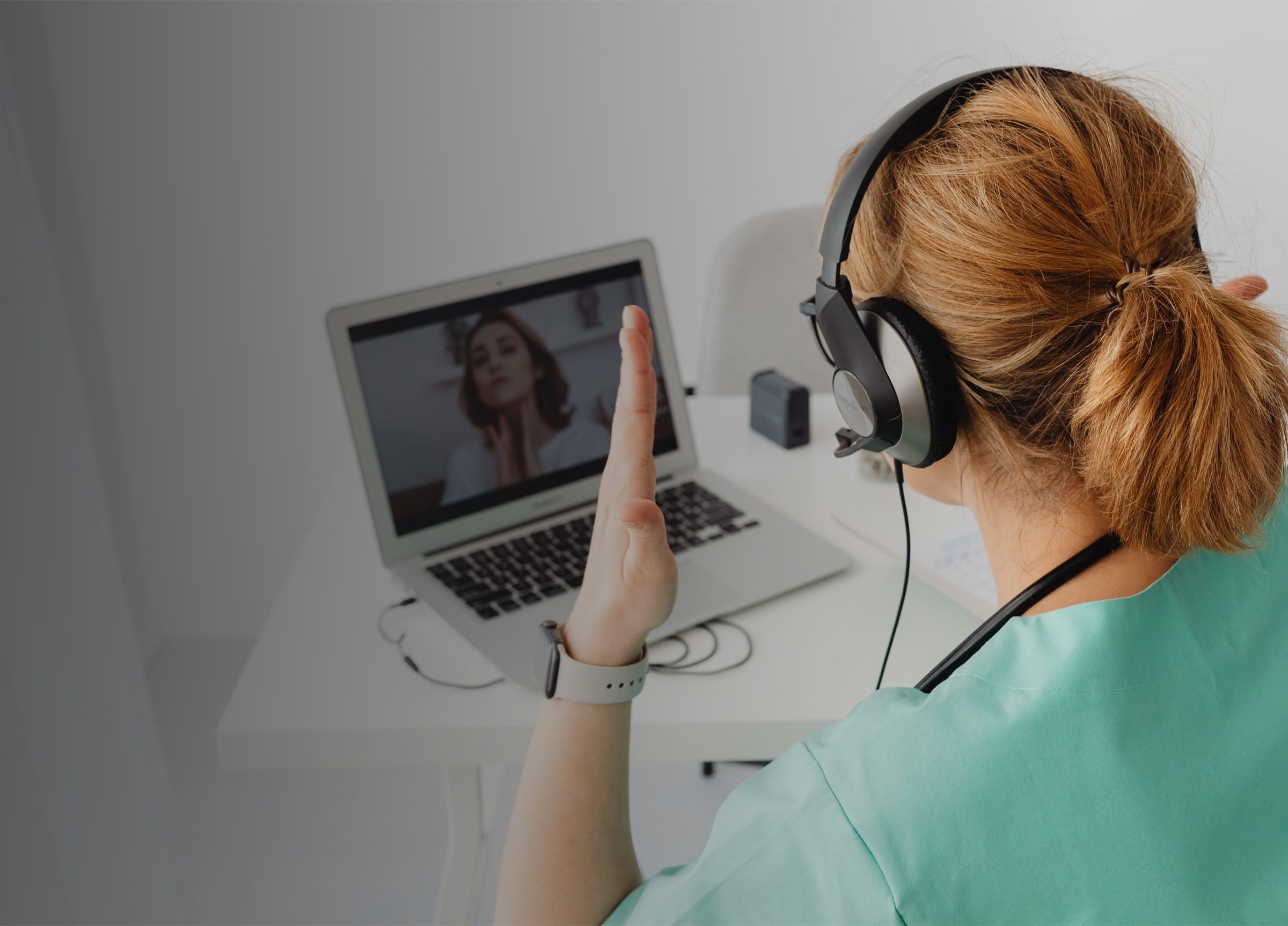
The traditional medical model requires sick patients to disrupt their schedules and sit in a room filled with other contagious individuals. Virtual healthcare flips this dynamic, bringing the physician directly to your smartphone or laptop.
HealthClino is designed around absolute punctuality. Unlike physical clinics or older telemedicine platforms where you are placed in a virtual queue, you select a specific time slot on the calendar. At that exact minute, the physician joins the secure video call. There is no waiting line and no uncertainty. You can easily book your appointment now at https://www.healthclino.eu/book-appointment to get a professional assessment from the comfort of your own bed. Reviewing what to expect prior to your call ensures a smooth, efficient session.
Navigating Prescriptions and Medical Leave in Spain
Before you bypass the public clinic, it is vital to understand Spain's strict regulations regarding pharmacy dispensing and employment documentation.
The Prescription Law
In Spain, pharmacists are strictly prohibited from dispensing antibiotics or strong medications without a valid prescription, per Royal Legislative Decree 1/2015. If your digital physician diagnoses a bacterial infection, they will issue a receta medica online in a secure PDF format. This private prescription is legally valid at any pharmacy in Madrid, though you will pay the full retail price rather than the heavily subsidized public rate.
The Baja Médica Rule
If you are formally employed in Spain and need to claim statutory sick pay, you must obtain an official baja médica. A private online doctor cannot issue this document; it must be generated by a public SERMAS doctor or your company’s mutua. However, if you only need a standard sick note to excuse a university absence or a missed gym class, a digital certificate is perfectly adequate. Knowing the difference between a medico vs baja medica online prevents major administrative headaches with your employer.
What to Have Ready Before Your Video Call
To maximize the efficiency of your online consultation, take a moment to prepare before the physician joins the feed:
Official Identification: Have your passport, TIE, or national ID ready so the doctor can verify your identity for prescriptions.
Clear Lighting: If you need the doctor to examine a rash, swelling, or the back of your throat, sit facing a window or a bright lamp.
Symptom Timeline: Write down exactly when your symptoms began and if you have taken any over-the-counter medication.
Current Medications: Have the physical boxes of your daily medications nearby, as European brand names often differ from those in your home country.
Red Flags: When to Seek Immediate Emergency Care
While the telehealth landscape in Spain provides excellent solutions for minor ailments, paperwork and convenience must never override your safety.
If you experience any of the following severe symptoms, bypass standard appointments entirely. Call 112 (Spain's free emergency number with English-speaking dispatchers) or go directly to the nearest hospital Urgencias:
Sudden, crushing chest pain or pressure radiating to the jaw or arm.
Severe difficulty breathing or gasping for air.
Signs of a stroke (sudden facial drooping, slurred speech, or weakness on one side).
Uncontrollable bleeding or severe trauma.
Loss of consciousness or profound confusion.
If you are dealing with a painful but non-life-threatening injury, like a suspected sprain, an urgent care online physician can rapidly triage your symptoms and advise you on where to go for physical X-rays.
Honest Limitations of Virtual Consultations
Telemedicine relies on visual assessment and patient dialogue. While highly effective, it cannot replace a hands-on physical examination. A remote physician cannot palpate your abdomen for appendicitis, listen to your lungs with a stethoscope, or draw blood cultures.
If your condition requires physical diagnostics to confirm a diagnosis safely, the online doctor will advise you to seek in-person care. In such cases, the digital visit acts as a valuable triage step, giving you expert medical advice on how urgently you need to be seen by a physical specialist in Madrid.
Frequently Asked Questions
What does it mean to pedir cita medico en Madrid?
The phrase simply translates to "request a doctor's appointment in Madrid." It is the standard term used by locals when navigating the public healthcare system or booking a private consultation.
Can tourists book an appointment through the public system?
Generally, no. Tourists from the EU can use their EHIC for medically necessary care at public hospitals, but they cannot book standard primary care appointments. An online consultation is usually the fastest route for a tourist doctor in Spain.
How much does a private online doctor visit cost?
A digital medical consultation typically ranges between €29 and €45, which is significantly more affordable than the walk-in fees at physical private clinics in Madrid, which can easily exceed €100.
Do I need a GP referral to see a specialist in Spain?
In the public SERMAS system, yes; you must see your primary care doctor first. In the private sector, you generally have the freedom to book directly with a specialist, such as a dermatologist or a gynaecologist.
Will a pharmacy in Madrid accept an email prescription?
Yes, provided it is a legally formatted digital prescription (usually a secure PDF with a QR code or digital signature) issued by a licensed European physician. You can simply show the PDF on your phone screen to the pharmacist.
Can an online doctor issue a visa medical certificate?
No. Medical certificates required for Spanish residency visas mandate a physical examination to confirm you do not carry diseases detailed in the 2005 International Health Regulations. This must be conducted in person.
Disclaimer: This article is for informational purposes only and does not constitute professional medical advice, diagnosis, or treatment. Always seek the advice of a qualified healthcare provider with any questions you may have regarding a medical condition. Never disregard professional medical advice or delay in seeking it because of something you have read in this article. An online consultation cannot replace a physical examination or emergency services.