How to Get a Cita Medico Cabecera en Madrid Without the Wait
Last updated: September 30, 2026
Medically reviewed by the HealthClino Medical Team
Marcus, a 32-year-old expat living in the Malasaña neighbourhood, woke up on a Tuesday with a chesty cough, chills, and a high fiebre. Knowing he needed an assessment and potentially antibiotics, he opened the local health app to book a cita medico cabecera en madrid at his assigned Centro de Salud. His heart sank when the screen displayed the earliest available slot: next Wednesday, eight days away. Unwilling to spend hours in an emergency room for a bad cough, but too sick to work, he began searching for an immediate alternative.
The patient described above is an illustrative composite based on common clinical experiences, not a real individual.
Navigating the Spanish capital’s healthcare system can be daunting when you feel unwell. The médico de cabecera (family doctor or General Practitioner) is the cornerstone of Spanish healthcare, acting as the first point of contact for non-emergency illnesses. However, securing a prompt appointment is increasingly difficult. If you are figuring out what to do if you get sick in Spain, understanding how to bypass public sector delays safely is essential for your recovery.
The Short Version: Key Takeaways
Public System Delays: While Spain offers excellent public healthcare, booking a standard GP appointment in Madrid often involves waiting several days to over a week.
The Role of the GP: A médico de cabecera handles general illnesses, issues prescriptions, and provides referrals to specialists.
Language Barriers: Public health doctors in Madrid are not required to speak English, which can make communicating complex symptoms difficult for expatriates and tourists.
Digital Alternatives: Telemedicine allows you to consult a licensed online doctor in Madrid instantly, providing the same level of general medical advice without the wait.
The Reality of Madrid's Primary Care
The Servicio Madrileño de Salud (SERMAS) manages public healthcare across the region. When residents need medical attention, they must first see their assigned medico de familia.
Recent reports from the Spanish Ministry of Health indicate that primary care centres are heavily oversubscribed. In densely populated areas of Madrid, the average wait time for a non-urgent GP appointment routinely stretches between four and ten days. For chronic disease management, this system works well. However, for acute conditions like urinary tract infections, severe migraines, or seasonal flu, waiting a week is simply not a viable option. This bottleneck forces many residents to weigh the benefits of a medico privado vs publico to get immediate relief.
Comparing Your GP Options in Madrid
When you need a GP consultation, you generally have three main avenues. Understanding the differences can save you significant time and discomfort.
FeaturePublic Médico de CabeceraPhysical Private ClinicDigital GP (HealthClino)Wait Time4 to 10 days on average1 to 3 days (or walk-in queue)Immediate (scheduled to the minute)Language SupportPrimarily SpanishEnglish often availableEnglish, Spanish, and othersCostFree (with public health card)€80 to €150+ per visit€29 to €45 fixed priceLocationYour assigned Centro de SaludRequires travel across the cityFrom your smartphone or laptopBest ForRoutine check-ups, chronic careSpecialist physical examsImmediate illness, standard prescriptionsHow Your Status Dictates Your Access to Care
Your ability to secure a primary care appointment in the capital depends heavily on your residency status and insurance.
Residents with a Tarjeta Sanitaria
If you are fully registered on the padrón and pay into Spanish Social Security, you are entitled to public healthcare. You can request your cita medica en madrid via the Cita Sanitaria Madrid mobile app, by telephone, or in person at your local clinic. However, you are still bound by the availability of your specific assigned doctor.
Expats and Digital Nomads
Many international workers hold private health insurance because they do not yet qualify for public care, or because it is a visa requirement. Navigating private medical directories to find an English-speaking clinic can be frustrating. Using telemedicina para expatriados en espana cuts through the bureaucracy, allowing you to speak to a doctor who understands your language and medical history immediately. Independent platforms often highlight that using an online doctor in Barcelona or Madrid is the fastest route for nomads seeking immediate relief.
A Punctual Alternative to the Waiting Room
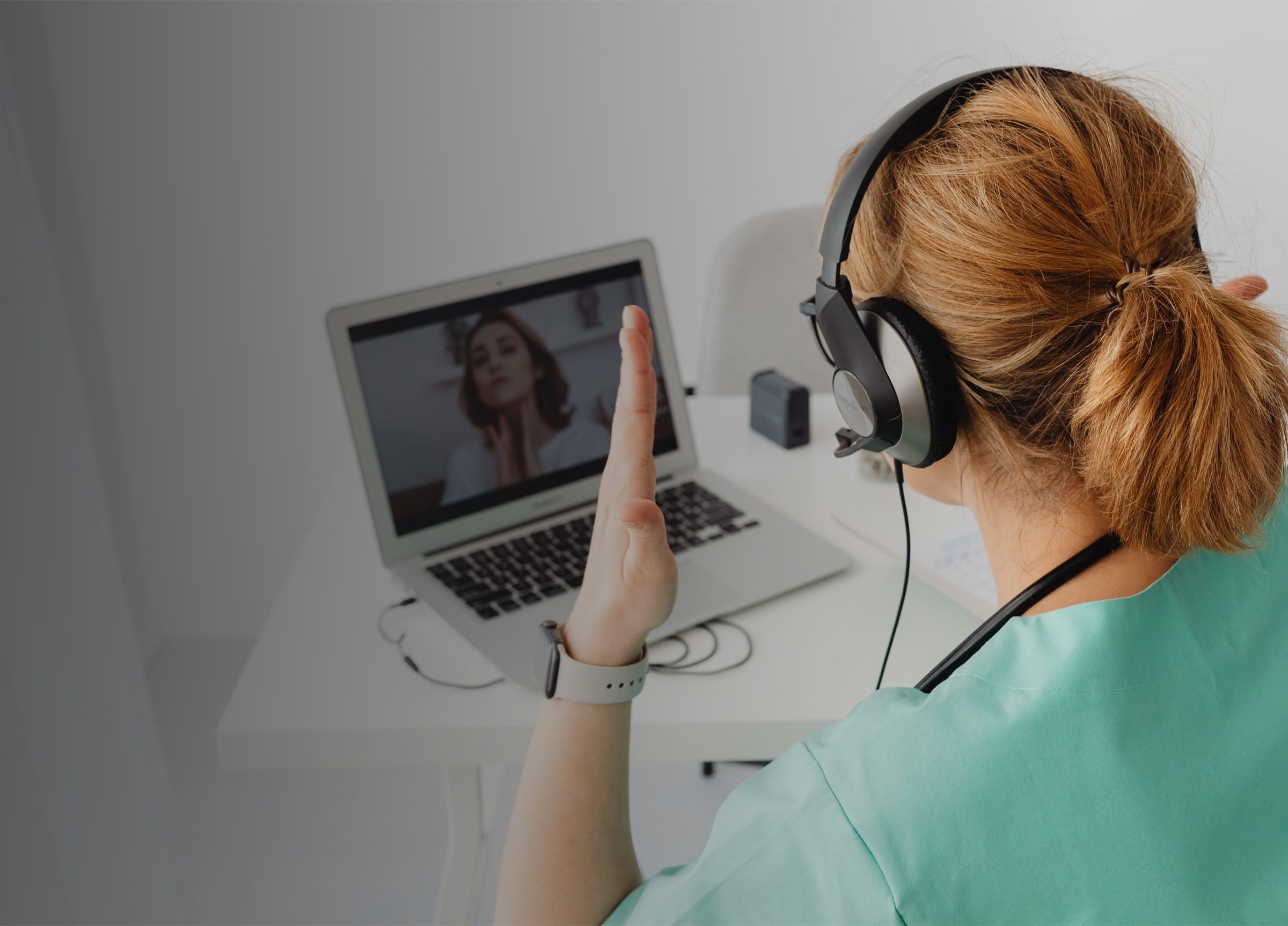
The traditional medical appointment asks sick patients to disrupt their day, travel, and sit in a room full of other contagious people. Virtual healthcare reverses this model entirely.
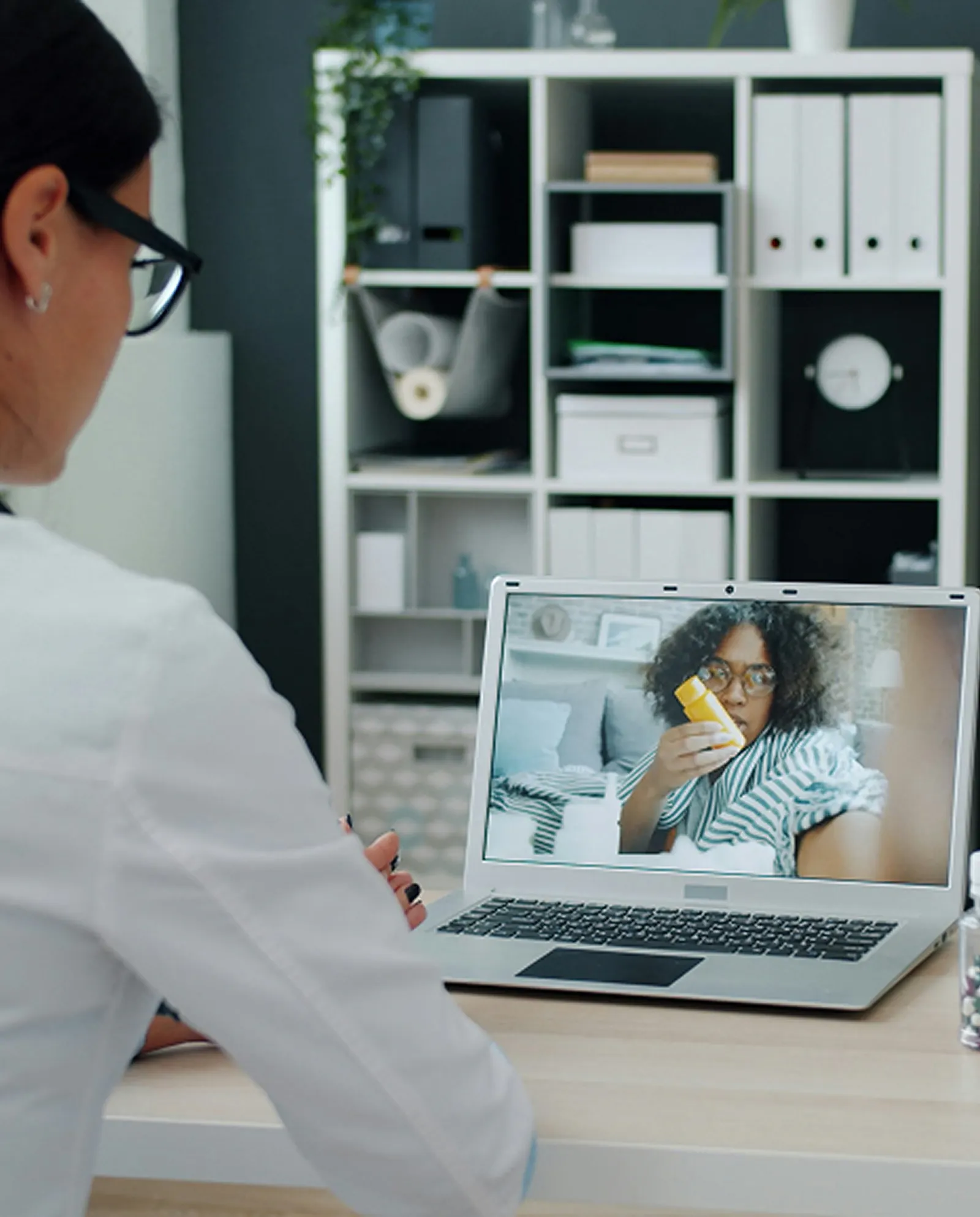
When you book a digital GP, the service is built around absolute respect for your time. You select a specific time slot on the calendar, and the physician joins the secure video call at that exact minute. There are no virtual waiting rooms and no "the doctor is running late" notifications. To bypass the public health delays entirely, you can book your appointment now at https://www.healthclino.eu/book-appointment and receive a professional assessment from the comfort of your bed.
Prescriptions and Paperwork: What You Must Know
Before skipping the public clinic, it is vital to understand Spain’s strict laws regarding medical documents and pharmacy dispensing.
Antibiotics and Prescriptions: In Spain, you cannot buy antibiotics or strong medication over the counter. A pharmacist will demand a valid medical prescription (Royal Legislative Decree 1/2015). If a digital doctor diagnoses a bacterial infection, they can issue a receta medica online as a secure PDF. This private European prescription is accepted at any Madrid pharmacy, though you will pay the full retail price rather than the subsidised public rate.
The Baja Médica Restriction: If you are formally employed in Spain and need to claim statutory sick pay from the state, you must have an official baja médica. Under Spanish law, a private digital doctor cannot issue this document; it must come from a public SERMAS doctor or your employer's mutua. If you simply need a standard medical certificate to excuse a university or language school absence, an online doctor can easily provide that. Understanding the rules surrounding a baja medica online prevents administrative issues with your employer.
What to Have Ready Before Your GP Video Call
To ensure your digital consultation is as efficient as an in-person visit, prepare the following:
Official ID: Your passport or TIE so the doctor can verify your identity for prescriptions.
Your Symptom History: Note exactly when your symptoms began and if they have worsened.
Current Medications: Have the physical boxes of any daily medications you take, as European brand names differ from those in the US or UK.
A Quiet, Well-Lit Space: Ensure the doctor can clearly hear your cough or visually inspect a rash without poor lighting or background noise.
Red Flags: When to Go Straight to Urgencias
While an online GP is perfect for the flu, minor infections, or digestive issues, it is not a substitute for emergency medicine. Do not book a standard appointment if you are experiencing a life-threatening event.
Call 112 (Spain's emergency number, featuring English-speaking dispatchers) or go immediately to the nearest hospital emergency department if you experience:
Sudden, crushing chest pain or severe shortness of breath.
Signs of a stroke (facial drooping, slurred speech, sudden weakness).
Uncontrollable bleeding or severe physical trauma.
Loss of consciousness or acute confusion.
If you are dealing with a painful but non-lethal issue, like a suspected sprain, urgent care online can triage your injury and tell you exactly where to go for an X-ray.
Honest Limitations of a Digital GP
Virtual healthcare offers unparalleled convenience, but it has firm clinical limitations. A digital doctor cannot look inside your ears with an otoscope, listen to your chest with a stethoscope, or take a throat swab.
If your symptoms are highly ambiguous or suggest a condition that requires physical diagnostics (such as suspected appendicitis), the online physician will advise you to seek in-person care. In these cases, the digital visit serves as a highly effective triage step, giving you expert guidance on how urgently you need to be seen by a physical specialist.
Frequently Asked Questions
How long is the wait for a public GP appointment in Madrid?
Wait times vary by neighbourhood, but non-urgent appointments in the public SERMAS system typically require waiting between four and ten days.
Can I choose my public médico de cabecera?
Yes, residents registered in the Madrid public health system have the right to request a change of their assigned GP under the "Libre Elección de Médico" policy, though this process requires administrative paperwork and depends on the requested doctor's patient quota.
Do I need a referral from a GP to see a specialist in Spain?
In the public system, yes. You must see your médico de cabecera first, and they will refer you to a public specialist. In the private sector, you can often book directly with a specialist without a GP referral.
Will a digital GP prescription work at a Madrid pharmacy?
Yes. Digital prescriptions issued by registered EU physicians are legally valid across Spain. You simply show the PDF on your smartphone to the pharmacist.
Can a tourist book an online GP appointment?
Absolutely. Tourists do not have access to standard public primary care appointments (though they can use emergency rooms). An online consultation is usually the fastest way for a visitor to get medical advice and prescriptions in Madrid.
Are digital GP consultations covered by Spanish public health?
No. Services like HealthClino are entirely private. Consultations are paid out-of-pocket, which allows the service to guarantee immediate, on-time access without the bureaucratic hurdles of the public system.
Disclaimer: This article is for informational purposes only and does not constitute professional medical advice, diagnosis, or treatment. Always seek the advice of a qualified healthcare provider with any questions you may have regarding a medical condition. Never disregard professional medical advice or delay in seeking it because of something you have read in this article. An online consultation cannot replace a physical examination or emergency services.